Texas Septic Permit Planning: What to Know Before Installation (2026)
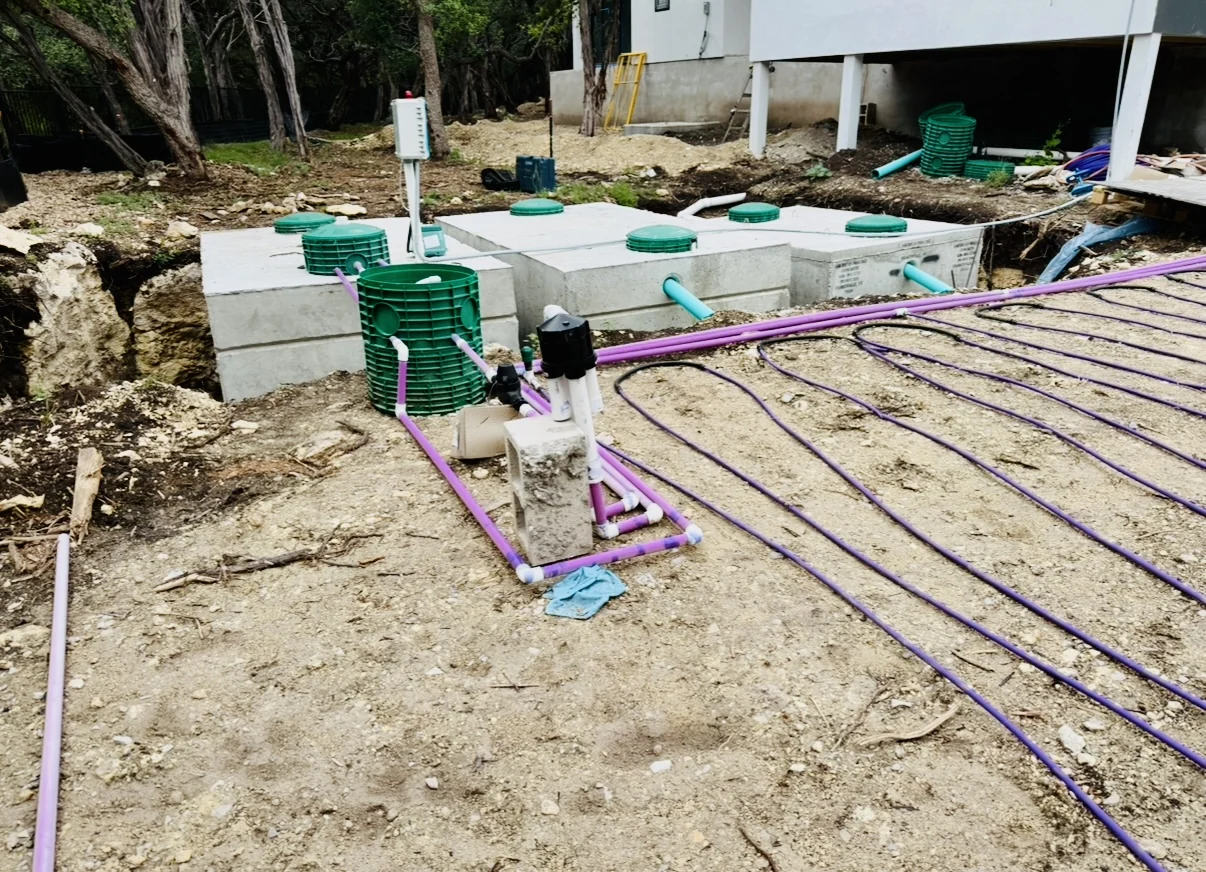
A septic project should be planned before the excavation begins. The system type, tank location, disposal area, soil conditions, setbacks, and local approval process all affect the work on site. Starting with the right information helps prevent redesigns, rework, and scheduling delays once equipment is mobilized.
Confirm the Local Permitting Authority First
The Texas Commission on Environmental Quality (TCEQ) states that a permit and approved plan are generally required to construct, alter, repair, extend, or operate an on-site sewage facility (OSSF), including a septic system. TCEQ also notes that local permitting programs may be more stringent than state minimums. Start by confirming the responsible authority for the county where the system will be installed. See TCEQ’s current OSSF permit guidance for the state-level process and local-authority lookup.
Plan the Site Evaluation
A system should be selected after the property has been evaluated. TCEQ explains that a preconstruction site evaluation may be conducted by a licensed site evaluator or a professional engineer. The evaluation considers the lot and the proposed disposal area, including a soil analysis and other suitability criteria. That information guides the approved system design and where the installation can occur.
Gather the Right Project Information
- Property address, survey or plat, and known easements
- House plans and the intended use of the property
- Location of the proposed building, driveway, well, utilities, and other improvements
- Site-evaluation and design documents when they are available
- Local permitting contact and the approved plan before installation is scheduled
Coordinate the Installation Sequence
Once the site evaluation, design, and permit path are in place, the construction sequence can be coordinated. The work may include access preparation, tank excavation, placement, drain-field work, utility connections, backfill, and final site restoration. The exact scope should follow the approved plan and applicable inspection requirements.
Keep future improvements in mind as well. A driveway, building addition, landscaping, or additional underground utility route can affect where equipment can work and where the system needs to remain protected after installation.
Plan Your Septic Installation With J316 Excavation
J316 Excavation provides septic-system installation and related excavation for properties across South and Central Texas. We can review the approved scope, coordinate equipment access, and help plan a clean installation sequence. Call (210) 425-8108 to request a free estimate.