Texas 811 Guide: What to Do Before an Excavation Project (2026)
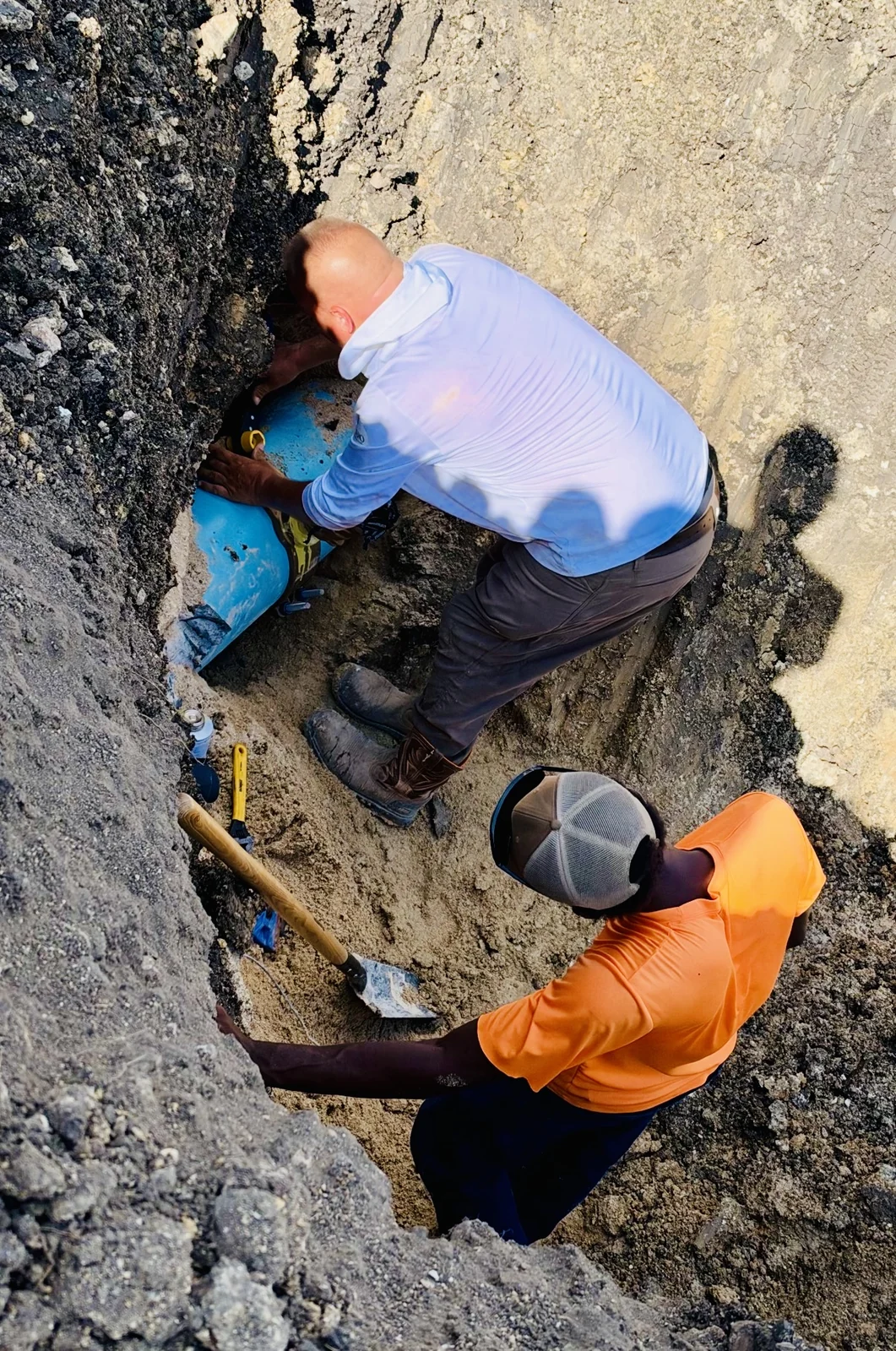
Excavation starts before equipment arrives. Whether you are planning a driveway, a septic system, a utility trench, a fence line, or a new building pad, the first job is understanding what may already be below grade. A clear utility-locate plan helps protect people, property, and the project schedule.
Contact 811 Before Any Texas Digging Project
Texas811 says homeowners and excavators must contact 811 at least two business days before digging, excluding weekends and holidays. The request is free and starts the process for the appropriate utility companies to mark their underground lines in the requested area.
That timing belongs in the schedule from the beginning. Do not treat it as a last-minute call after equipment is already mobilized. Build the notice period into your project plan, especially when weather, inspections, material deliveries, or other trades affect the start date.
A Practical Pre-Dig Checklist
- Define the work area: Identify the driveway, trench, pad, fence line, drainage feature, or other place where the ground will be disturbed.
- Share the scope: Tell the contractor what is being installed, removed, or graded so the equipment plan matches the work.
- Request the utility locate: Submit the 811 request early enough to meet the required notice period.
- Review site markings: Make sure the work area and visible markings are reviewed before digging begins.
- Flag unknown conditions: Old service lines, irrigation, private electrical runs, abandoned structures, and unmarked site features should be discussed before excavation starts.
What 811 Helps With—and What Still Needs Planning
A Texas811 request is a critical utility-protection step, but it is only one part of planning. A project can also involve private lines, easements, existing drainage, access constraints, soil conditions, and an approved site plan. Your contractor should understand the scope before selecting equipment, setting grades, or opening a trench.
For a larger project, bring together the survey, design documents, planned utility routes, and any available information on prior construction. The more clearly the work area is defined, the easier it is to coordinate excavation without avoidable delays.
Prepare Your Excavation Contractor
Before requesting a quote, collect the property address, a rough description of the work, any site plans, desired start timing, and known utility or drainage concerns. If you are building a driveway or pad, note how equipment and deliveries will reach the site. If the project includes a trench or utility connection, identify the intended route and the service it will support.
Plan a Safer Start With J316 Excavation
J316 Excavation helps homeowners, general contractors, and developers plan excavation work across San Antonio, Austin, Houston, and South Texas. We can review the project scope, discuss site access and sequencing, and help you prepare for a productive start. Call (210) 425-8108 to request a free estimate.