San Antonio Utility Project Planning: What to Gather Before You Request a Quote (2026)
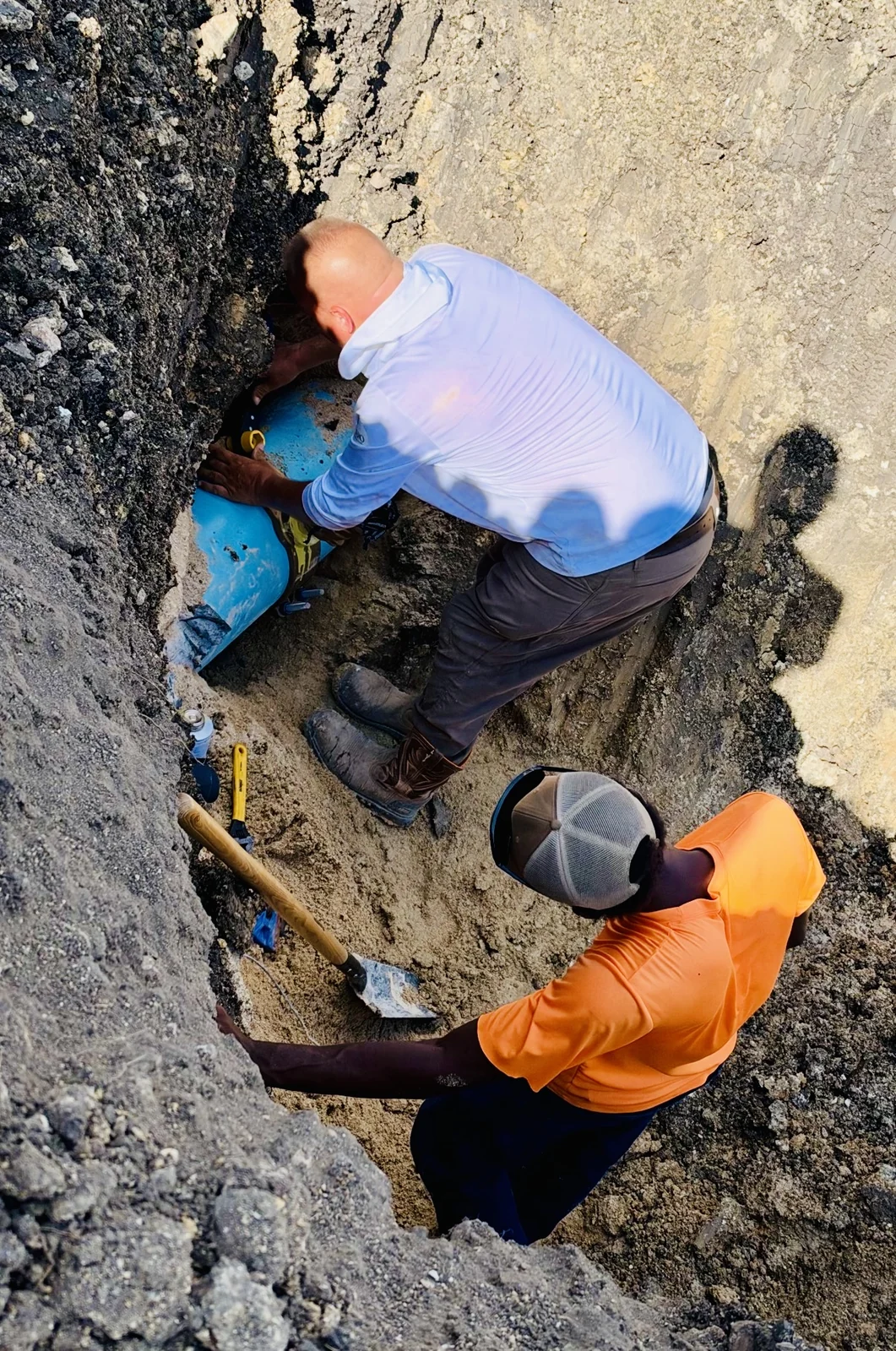
Utility work moves more smoothly when the excavation scope is clear before equipment is scheduled. For a San Antonio commercial development, subdivision, public-infrastructure job, or site improvement, the plans, utility route, existing conditions, and agency requirements can all affect the sequence and the estimate. This guide is a practical way to prepare for a conversation with your project team and utility contractor.
Start With the Actual Utility Scope
Begin with what the project needs rather than a broad request for “utility work.” Identify whether the scope involves water mains, sewer mains, lift stations, hot taps, sewer taps, storm drainage, electrical conduit trenching, gas-line trenching, utility relocation, or a combination of those items. Note the proposed route, the connection points, and the part of the property or development where the work will occur.
A defined scope lets the contractor understand how utility work connects with clearing, site access, grading, pavement, drainage, and the next trade. It also makes it easier to identify questions that belong with the owner, civil engineer, utility provider, or permitting authority before field work starts.
What to Include When You Request a Utility Quote
- Project location: The site address, parcel or lot information, and a clear point of contact.
- Available plans: Civil, utility, grading, survey, plat, or detail sheets that show the planned work.
- Scope and route: The utility type, proposed alignment, known connection points, and any required crossings.
- Existing conditions: Known easements, existing utilities, drainage features, access constraints, rock, occupied buildings, or work already completed on site.
- Schedule context: Desired start window, other trades, inspections, material lead times, and milestones that affect sequencing.
- Agency information: Any permit, plan-review, right-of-way, utility-provider, or inspection direction already received by the project team.
Review SAWS Development Resources Early
The SAWS Developer Resources page provides planning and implementation resources for water and wastewater service extensions, including development guidance, plan-submittal tools, as-built information, service regulations, and specifications for new development. A project team should use the current SAWS resources and its approved design documents when the work falls within the applicable service process.
The point is not to treat a web checklist as a substitute for the project’s approved documents. It is to make sure the owner, engineer, contractor, and utility provider are working from the same current information before the excavation schedule is set.
Account for Right-of-Way Work Separately
Work near public streets, sidewalks, or other City infrastructure may have a different coordination path than work entirely on private property. The City of San Antonio says its Right-of-Way Management Division administers permits for construction and other activities in City infrastructure to support safety, mobility, coordination, and proper street repair. Review the City’s current ROW permit information with the project team and confirm which requirements apply to the specific job.
Plan Utility Locates Before Digging
Existing underground infrastructure is a project-planning issue, not an afterthought. Build the locate request, visible markings, private-site conditions, and any known abandoned or unmarked lines into the schedule. Our Texas 811 excavation guide explains the pre-dig planning step and links to the current Texas811 information.
Connect the Utility Plan to the Rest of Site Work
Utility work often affects the order of clearing, rough grading, drainage, pavement preparation, and finish grades. When the project team shares the approved utility scope early, it can avoid opening and reworking completed areas later. The exact sequence depends on the plans, site conditions, inspection requirements, and the work being performed.
Talk Through Your San Antonio Utility Scope With J316
J316 Excavation provides utility installation for water mains, sewer mains, lift stations, taps, storm drainage, utility trenching, and related civil projects. J316 is SAWS certified and ROW certified by the City of San Antonio. Share the available project information with our team so we can discuss the scope and provide an estimate that fits the work. Call (210) 425-8108 or request an estimate online.
This article is planning information, not engineering or permit advice. Current agency requirements and approved project documents control the work.